Containment, HEPA filtration, and clearance testing for every HARBOR CITY job

Toxic Mold Removal in HARBOR CITY, California done right the first time

Toxic Mold Removal in HARBOR CITY, California means pulling the mold out at the source, not painting over it. We handle black mold remediation in HARBOR CITY for homeowners and landlords dealing with roof leaks, crawl space moisture, and musty odors that keep coming back. Our crews set containment, run HEPA air scrubbers, and test before we call the job done.

↗
Fast online booking

Request service today

Tell us what is happening. Our local team will confirm your visit shortly.

No spam. No obligation. Just practical help.
Thanks — we'll call shortly to confirm your visit.
Mold Remediation Service near me for HARBOR CITY homes
Careful work. Honest options.
About this service

Toxic Mold Removal in HARBOR CITY, California

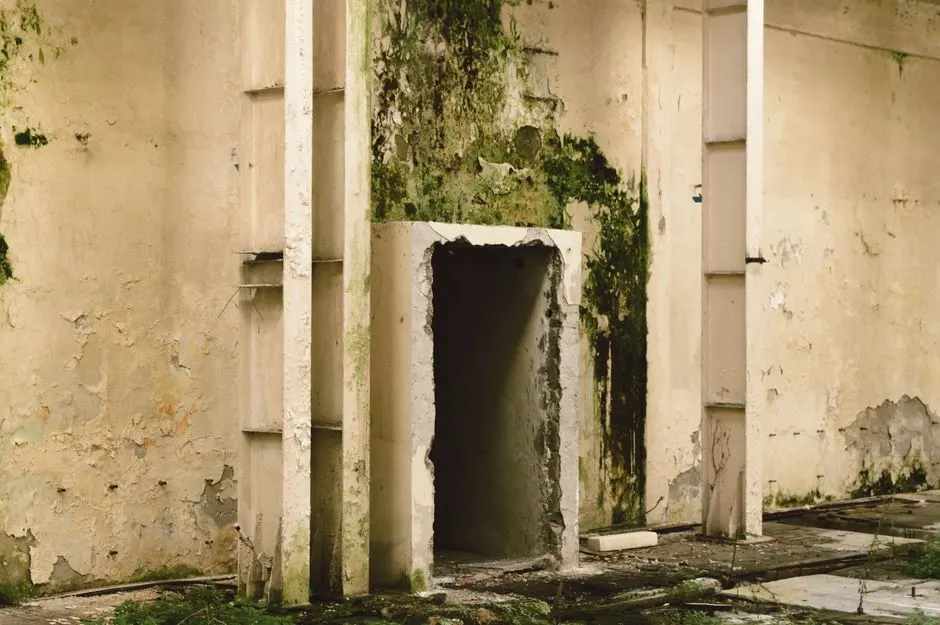
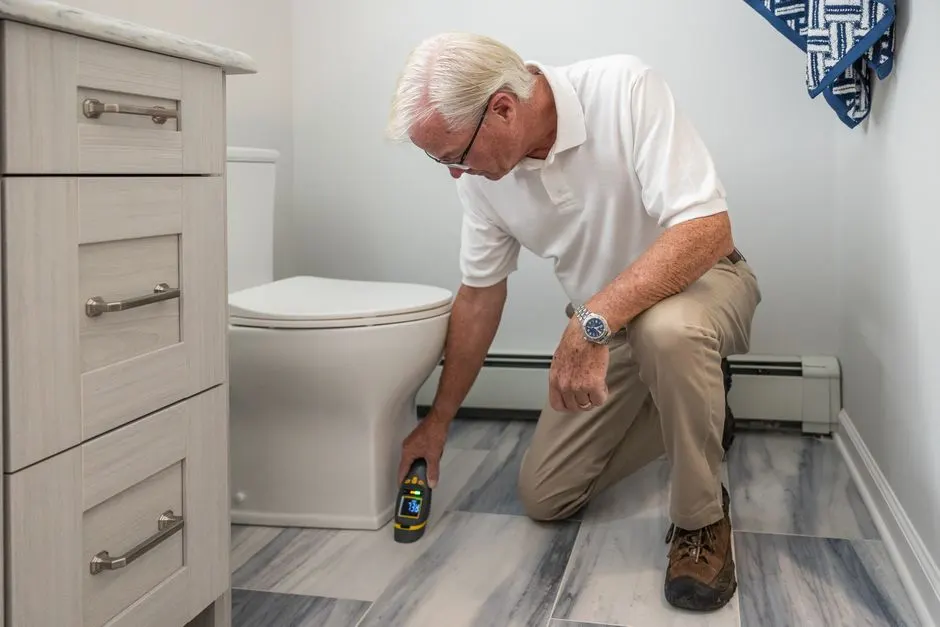
Toxic Mold Removal in HARBOR CITY, California is a containment-first remediation process that removes mold colonies, spores, and the moisture feeding them from a building's structure and air. It is needed when visible growth covers more than about 10 square feet, when musty odors persist after cleaning, or when occupants report headaches, coughing, or sinus problems that ease when they leave the house. We open walls, map moisture with a thermal imaging camera, and remove contaminated drywall, insulation, and framing before treating the cavity.

HARBOR CITY sits close enough to the coast that marine layer humidity hangs over roofs and crawl spaces most of the year. Add decades-old plumbing, flat roofs on the older commercial buildings near Pacific Harbor, and the occasional winter storm pushing water under doors, and you get ideal conditions for stachybotrys and other toxigenic molds. If you have been searching for toxic mold removal near me HARBOR CITY and getting thin answers, we walk the property, test the air, and hand you a written scope the same day.

  • ✓ Air you can breathe again
  • ✓ Documented clearance testing
  • ✓ The moisture source gets fixed
  • ✓ Insurance-ready documentation
What's included

What our toxic mold removal includes

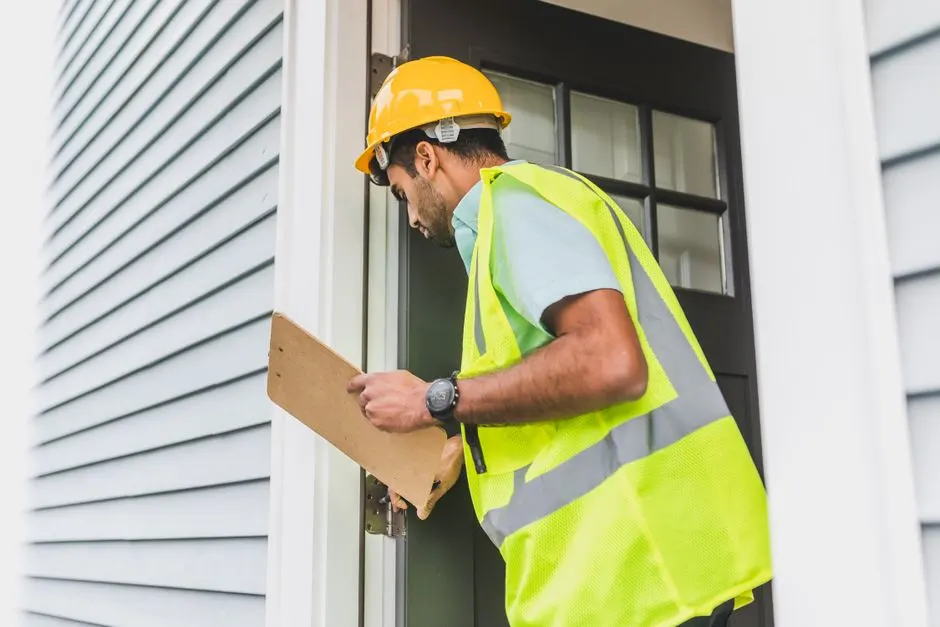
Every HARBOR CITY remediation we run covers inspection, containment, removal, treatment, drying, and clearance testing under one scope. Reconstruction like new drywall, paint, and trim is quoted separately so you can see exactly what the remediation costs versus the cosmetic repair.

✓

Moisture mapping and inspection

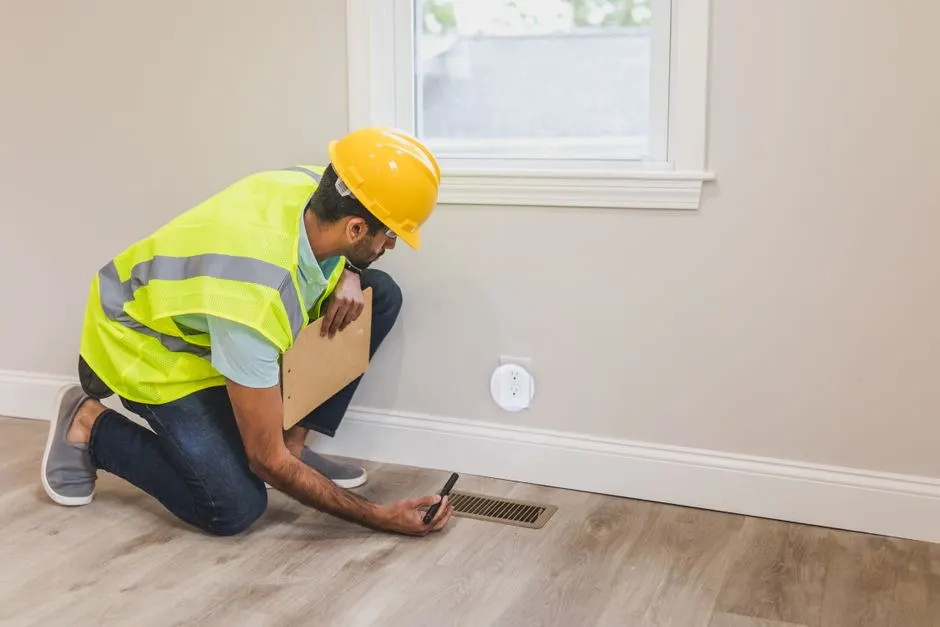
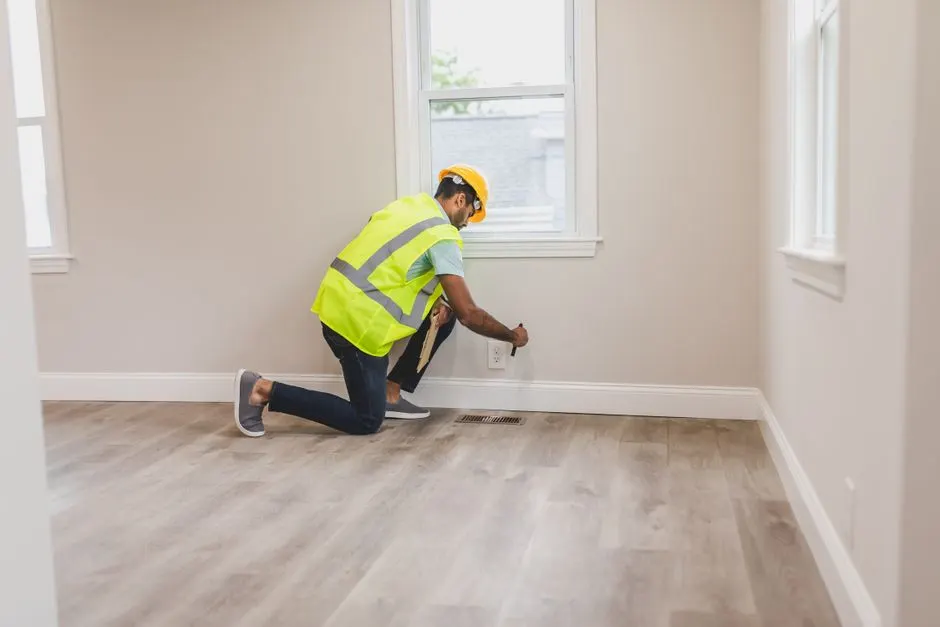
We walk the property with a moisture meter, thermal imaging camera, and boroscope to find every wet cavity, not just the visible growth. You get a written report showing readings and photos of each affected area before any removal starts.

✓

Containment and negative air

6-mil poly barriers with zipper doors seal the work zone, and a negative air machine keeps the space under pressure so spores cannot drift into clean rooms. Setup takes 2 to 3 hours on a typical residential job and stays up until clearance testing passes.

✓

Removal and HEPA vacuuming

Contaminated drywall, insulation, and porous materials come out and get bagged for disposal. Framing and hard surfaces get HEPA vacuuming followed by an EPA-registered antimicrobial treatment like Concrobium or Benefect.

✓

Structural drying

Dri-Eaz and Phoenix dehumidifiers run until framing moisture reads below 15 percent. This phase usually takes 2 to 4 days. Skipping it is the number one reason mold comes back after a remediation, so we do not shortcut it.

✓

Encapsulation coating

After drying, we apply an encapsulation coating to framing and masonry to lock down residual staining and any spores the vacuum missed. It is a sealant, not a cover-up, and it goes on only after the surface is verified clean.

✓

Independent clearance testing

A certified mold inspector who does not work for us takes post-remediation air and surface samples. If counts are at or below outdoor baseline, you get the clearance report. If not, we re-clean at no additional cost until it passes.

How it works

How our toxic mold removal process works

01

Inspection and testing

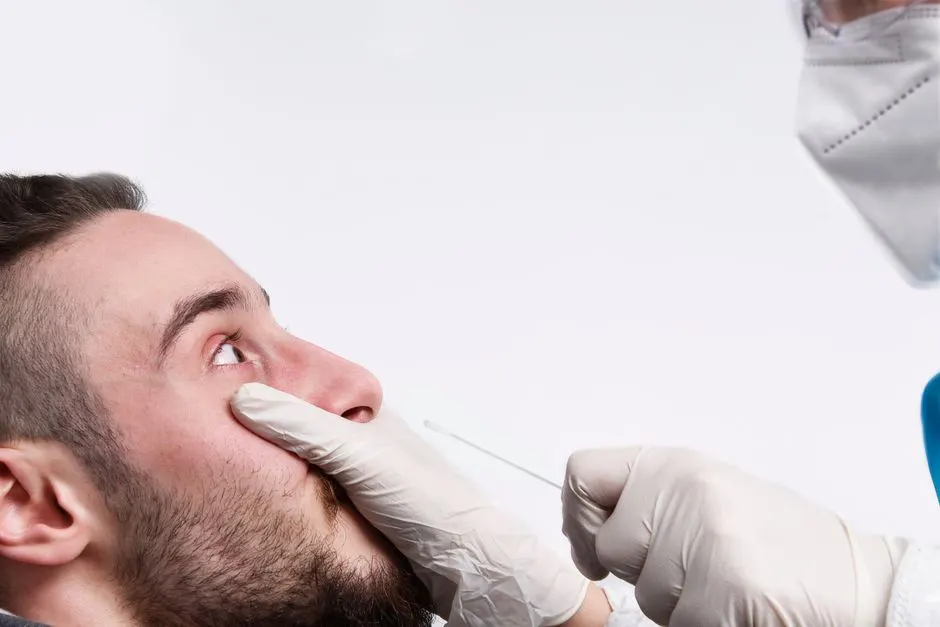
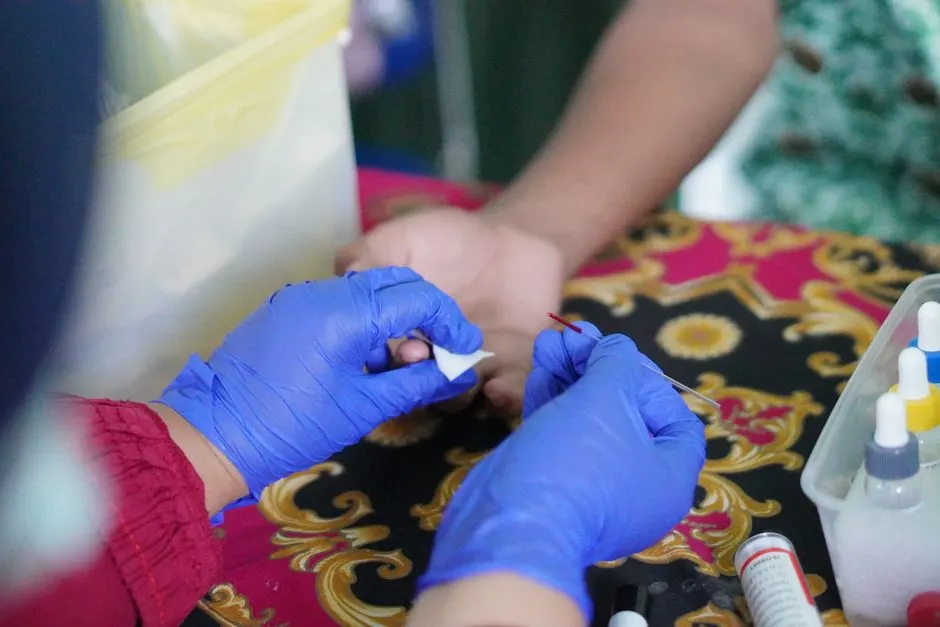
We arrive within the same day for emergencies and walk the property with a moisture meter, thermal imaging camera, and boroscope. Air samples go to an accredited lab. You get a written report within 24 to 48 hours showing what type of mold is present and how far it has spread.

02

Containment build

We seal off the work area with 6-mil poly sheeting and zipper doors, then install a negative air machine so the contained space stays under pressure. That keeps spores from drifting into the rest of your house while we work. Setup usually takes 2 to 3 hours on a typical residential job.

03

Removal and cleaning

Contaminated drywall, insulation, and porous materials come out and get bagged. Structural framing gets HEPA vacuuming, then treatment with an EPA-registered antimicrobial like Concrobium or Benefect. Heavy growth on joists sometimes calls for dry ice blasting, which strips mold without adding moisture.

04

Drying and verification

We run Dri-Eaz and Phoenix dehumidifiers until structural moisture reads below 15 percent on a calibrated meter. Once the cavity is dry, we apply an encapsulation coating to lock down any residual staining. This phase typically runs 2 to 4 days depending on how wet the framing was.

05

Clearance testing

An independent certified mold inspector takes post-remediation air and surface samples. If counts come back at or below outdoor baseline, we hand you the clearance report and a written scope of any repair work still needed, like replacing the removed drywall or fixing the roof leak that started it all.

Tools & methods

Tools and methods we use on every job

Purpose-built equipment, used by trained technicians — so the job is done accurately the first time.

Thermal imaging camera

Reveals temperature differences behind walls and ceilings that point to hidden moisture, so we find wet cavities before mold breaks through the surface.

Moisture meter

Gives calibrated readings on drywall, framing, and subfloor. We use it to set the drying target and to verify framing is below 15 percent before closing walls.

Boroscope

A camera on a flexible probe that lets us look inside wall cavities, under subfloors, and above ceiling tile without tearing everything open.

HEPA air scrubber

Filters airborne spores down to 0.3 microns while we work. We size the unit to cycle the contained air 4 to 6 times per hour.

Negative air machine

Keeps the containment under negative pressure so spores cannot escape into clean areas of the home during removal.

Dri-Eaz and Phoenix dehumidifiers

Low-grain refrigerant and desiccant units that pull structural moisture out of framing after removal. They run continuously until moisture readings hit target.

Dry ice blasting machine

Strips mold and residue off framing and masonry without adding water. Used when joists are heavily colonized but structurally worth saving.

Real results

Before and after.

Attic sheathing after a slow roof leak

Before

A 1950s Downtown Harbor City home had a slow roof leak for two winters. Attic insulation was soaked, sheathing showed dark stachybotrys growth across roughly 120 square feet, and the hallway below smelled musty year-round.

After

We removed the wet insulation, HEPA vacuumed and treated the sheathing with an EPA-registered antimicrobial, and dried the framing to 12 percent moisture. Clearance testing came back at outdoor baseline. The roof flashing was documented for repair before the attic was closed up.

Crawl space joists in a San Pedro home

Before

Ground moisture had been wicking into the floor joists for years. The homeowner noticed a musty smell in the living room and sinus symptoms that eased when they were away. Air sampling showed elevated stachybotrys spores.

After

We removed contaminated insulation, treated the joists with Concrobium, dried the framing below 15 percent, and installed a 6-mil vapor barrier over the soil. Post-remediation testing showed spore counts at outdoor baseline and the odor was gone.

Apartment wall cavity in Harbor Gateway

Before

A slow supply line leak in a second-floor unit fed growth into the shared wall between two apartments. The tenant reported headaches and a damp smell. The drywall looked fine from both sides until we mapped moisture with a thermal camera.

After

We contained the wall section, removed the contaminated drywall and insulation, treated the framing, and dried the cavity over three days. Both units passed clearance testing. The plumbing repair was documented for the property manager before the wall was closed.

Problems we solve

Mold problems we solve for HARBOR CITY properties

Most mold calls start with a smell, a stain, or a symptom, not a visible colony. Here are the situations we run into most often in HARBOR CITY and how we handle each one.

Ask a pro →
01

Musty odor that returns after cleaning

We locate the source with moisture mapping and a boroscope, open the cavity, remove the contaminated material, and treat the framing. Odor removal mold work only holds when the colony itself is gone, not just the stain on the paint.

↗
02

Crawl space moisture feeding first-floor growth

We remove contaminated insulation and joist growth, treat the framing, and install a vapor barrier over the soil. That cuts the moisture source off at the ground, which is the only way crawl space mold removal holds long term in this climate.

↗
03

Roof leak staining attic sheathing

We test the sheathing and rafters, remove wet insulation, treat the framing with an EPA-registered antimicrobial, and improve attic ventilation to stop condensation. We also document the roof repair needed so the leak gets fixed before the attic is closed up.

↗
04

Mold behind bathroom tile after a slow leak

We open the wall, test the cavity, and remove contaminated backer board and drywall. Framing gets HEPA vacuumed and treated, then dried below 15 percent moisture before new mold-resistant drywall goes back in.

↗
Proof you can check

Licensed, certified, and documented

✓
IICRC Certified Mold RemediationInstitute of Inspection, Cleaning and Restoration Certification
✓
ACAC Certified Microbial RemediationAmerican Council for Accredited Certification
✓
EPA Lead-Safe CertificationU.S. Environmental Protection Agency
✓
OSHA 10 CertificationOccupational Safety and Health Administration
✓
CSLB Licensed ContractorCalifornia Contractors State License Board
Good questions

Frequently Asked Questions

(833) 929-5837 →

Most residential jobs in HARBOR CITY run $1,500 to $6,500, with small contained areas starting around $1,200 and whole-floor remediations with reconstruction reaching $12,000 or more. Price depends on square footage affected, whether drywall and insulation need removal, and how many days of drying and HEPA filtration are required. Emergency calls and crawl space work add labor. We give you a written number before we start.

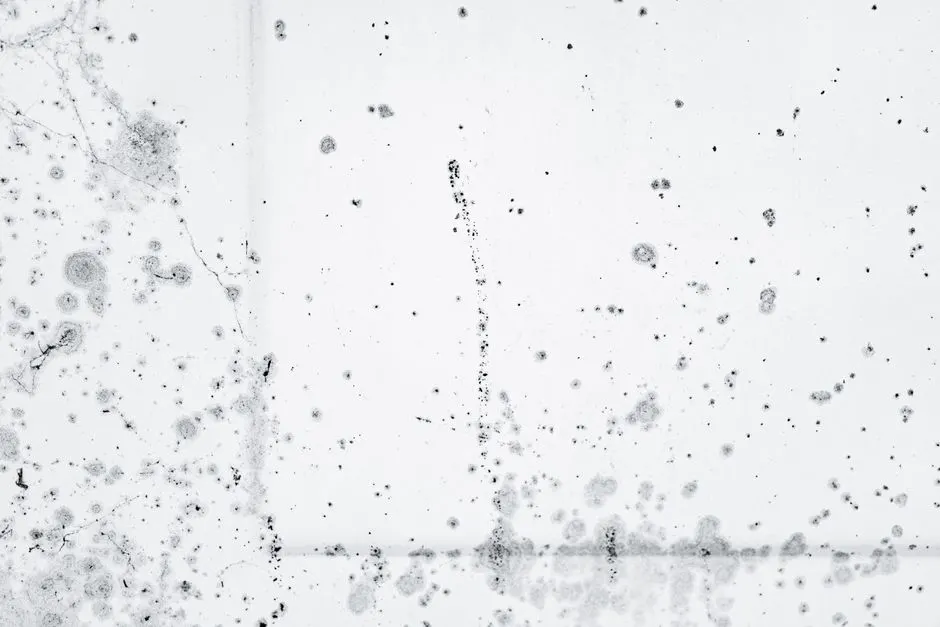
You cannot tell toxic black mold from a harmless species by looking at it. Stachybotrys is usually dark green-black, slimy when wet, and grows on cellulose like drywall paper and framing. The reliable signal is a musty, earthy odor plus a water event in the last 12 months. Air and surface sampling through an accredited lab is the only way to confirm what you have. We test before we quote.

Sudden and accidental water damage, like a burst pipe or a storm-driven roof leak, is usually covered up to your policy limits, often $10,000 to $50,000 for mold. Long-term neglect, poor maintenance, and gradual leaks typically are not. We document the loss with photos, moisture readings, and a written scope formatted for adjusters, which speeds up most claims. Check your policy for a mold sublimit before you file.

We do, out of our HARBOR CITY base, covering Downtown Harbor City, Harbor Gateway, Pacific Harbor, Wilmington, San Pedro, Lomita, Carson, Torrance, Gardena, and Compton. Our crews hold IICRC Certified Mold Remediation credentials and work under a CSLB-licensed contractor. Call (833) 929-5837 and we will schedule an inspection, usually the same day for active water damage.

Ready when you are

Get toxic mold removal in HARBOR CITY, California started today

Mold spreads fast in this climate, and every day you wait adds square footage to the job. Call (833) 929-5837 and we will schedule an inspection, usually the same day, with a written scope and price before any work begins. Licensed, insured, and warrantied.

Schedule Inspection (833) 929-5837 →
Request an appointment

Contact Our HARBOR CITY Mold Team

Call (833) 929-5837 and you will talk to someone who can actually schedule a crew, not a call center. We book same-day inspections for HARBOR CITY and the surrounding South Bay, and our emergency line stays open 24/7 for active water intrusion. Send photos to our email if you want a quick read before we arrive.

Request received — our team will be in touch shortly.
Tap to call(833) 929-5837