Musty odor that keeps coming back after cleaning
We trace the odor to its source with a thermal imaging camera and moisture meter, then sample the cavity. Once we know what is growing and why, the fix is targeted instead of repeated.
If you smell something musty or see dark staining on a wall, you need Mold Inspection Near Me in HARBOR CITY, California that tells you exactly where the moisture is coming from. We inspect attics, crawl spaces, bathrooms, and wall cavities with thermal imaging cameras and moisture meters, then hand you a written report you can act on. Same-day slots are usually open.
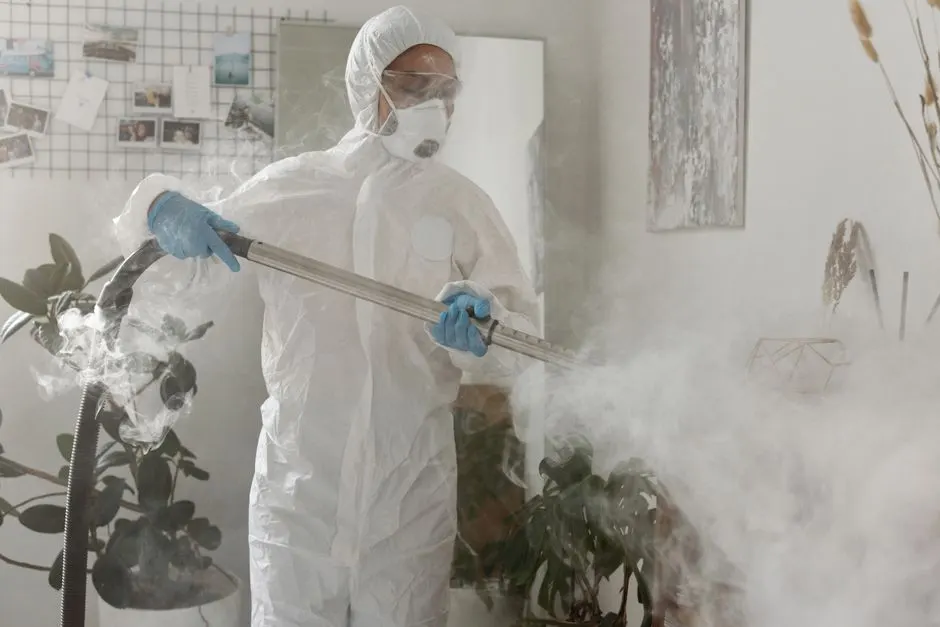
Mold Inspection Near Me in HARBOR CITY, California is a non-invasive diagnostic service that locates active moisture, confirms whether microbial growth is present, and identifies the water source feeding it. A technician walks the property with a moisture meter and a thermal imaging camera, checks suspect cavities with a boroscope, and pulls air or surface samples where growth is visible. You get photos, moisture readings, and lab results, not a sales pitch.
Harbor City sits close enough to the coast that marine air keeps indoor humidity high most of the year, and much of the housing stock here was built between the 1950s and 1970s with minimal vapor control. That combination feeds crawl space moisture, attic condensation, and slow plumbing leaks behind bathroom walls. When you search for a mold assessment near me HARBOR CITY California, the answer usually starts with finding the water, not scrubbing the stain.
Every inspection includes the walkthrough, moisture readings, photo documentation, and a written report. Sampling and lab analysis are added based on what we find, and we tell you the cost before we collect anything.
Attic, crawl space, bathrooms, kitchen, laundry, and every room with a plumbing fixture or exterior wall. We check roof penetrations, window frames, and HVAC closets, because moisture shows up in the places nobody looks until there is a stain.
Every suspect area gets a reading and a percentage logged in the report. You can see exactly which sections of drywall, framing, or subfloor are elevated and by how much, which is what makes the report useful for insurance and resale.
A thermal imaging camera reveals temperature differentials behind finished surfaces, which is how we find wet cavities without cutting holes. It catches leaks that a moisture meter alone would miss on a painted wall.
Where growth is visible or readings are elevated, we collect samples for an accredited lab. Air samples get compared against an outdoor control, and surface samples identify the genus growing on the material itself.
Delivered within 24 to 48 hours, with timestamped photos, moisture percentages, probable sources, and recommended next steps. Lab results follow in two to three business days and are appended to the same document.
If growth requires removal, we provide a square-footage and material-count scope so you can compare bids. The estimate is free, and you are under no obligation to use us for the work.
You call (833) 929-5837 and describe what you are seeing or smelling. We ask about recent water damage, roof leaks, or plumbing work, then schedule a window that fits your day. Most Harbor City addresses get a same-day or next-morning slot.
The technician starts outside, checking roof penetrations, grading, and crawl space vents, then moves into the attic. Attic condensation and roof leaks are two of the most common sources we find in this area, and both are visible within the first 20 minutes of the walkthrough.
Inside, we run a moisture meter along baseboards, around fixtures, and under sinks, then confirm suspicious readings with a thermal imaging camera. A boroscope goes into wall cavities behind tile and drywall where a camera alone cannot see. This step takes 45 to 90 minutes depending on square footage.
Where growth is visible or readings are elevated, we collect air or surface samples for lab analysis. Every finding is photographed and logged with a moisture percentage. You get a verbal summary before we leave, so you are not waiting on the report to know the basics.
The written report arrives within 24 to 48 hours, with lab results following in two to three business days. It lists affected areas, probable moisture sources, and recommended next steps. If remediation is needed, we scope it in square footage so you can compare bids directly.
Purpose-built equipment, used by trained technicians — so the job is done accurately the first time.
Pin and pinless readings on drywall, framing, and subfloor. Gives a percentage that goes directly into the report and tells us whether a material is dry, elevated, or saturated.
Detects temperature differentials behind finished surfaces. Finds wet cavities, missing insulation, and air leaks without cutting into the wall.
A flexible camera that goes into wall cavities, behind tile, and under cabinets. Lets us see what is growing on the back side of drywall without demolition.
Runs HEPA filtration during any inspection or work that disturbs suspect material. Keeps spores out of the air you are breathing while we are on site.
Captures fine particulate during sampling and cleanup. Standard equipment on any job where confirmed growth is being handled.
Creates negative pressure inside a containment zone so spores travel toward the filter instead of into clean rooms. Used on every remediation job we run.
Pulls moisture out of the air in a contained space. We run Dri-Eaz and Phoenix units when a job requires drying before or after removal.
A homeowner noticed peeling paint and a musty smell near the shower. Two prior contractors recommended full bathroom demolition. Our inspection found a slow supply line leak behind the tile with moisture readings at 28 percent in the adjacent drywall.
The plumber repaired the line, we removed 12 square feet of affected drywall, treated the framing with an antimicrobial solution, and rebuilt with mold-resistant drywall. Clearance sampling came back below the outdoor control count.
Black streaking appeared on the roof sheathing of a 1968 home. The owner assumed a roof leak and had gotten two replacement quotes. Moisture readings showed the sheathing was damp but the roof deck was intact, pointing to condensation instead.
We treated 180 square feet of sheathing with an antimicrobial solution, corrected the bathroom exhaust routing that was dumping humid air into the attic, and added two vent baffles. Post-work readings dropped to 11 percent.
A duplex owner called about a musty smell in the lower unit. The crawl space had a torn vapor barrier, dark insulation, and joist moisture readings between 22 and 26 percent. Air sampling showed elevated spore counts compared to outside.
We removed 240 square feet of affected insulation, treated the joists, installed a new 6-mil vapor barrier, and ran a dehumidifier for three days. Follow-up air sampling came back within 8 percent of the outdoor control.
Most calls start with one of these four complaints. Each one has a different cause, and each one needs a different fix.
Ask a pro →We trace the odor to its source with a thermal imaging camera and moisture meter, then sample the cavity. Once we know what is growing and why, the fix is targeted instead of repeated.
We confirm whether the stain is active or historical with moisture readings, then sample to identify the species. If it is active, we scope the removal in square footage so you know the real cost before anyone starts cutting.
We inspect the crawl space with a boroscope and moisture meter, check vapor barrier condition, and test the air above it. Recommendations cover the moisture source first, then the affected insulation and joists.
We measure moisture content in the sheathing and check ventilation and exhaust routing. Sampling confirms whether the streaking is microbial, and the report explains whether the fix is ventilation, a leak repair, or both.
Most residential inspections in Harbor City run $250 to $600 in 2026, depending on square footage and how many samples are collected. A basic visual and moisture inspection sits at the low end; air sampling, boroscope work, and multiple lab samples push it higher. Commercial and multi-unit properties are quoted per building.
We do, and we do it as a standalone service, not as a sales funnel for remediation. A trained technician with IICRC and ACAC credentials handles the walkthrough, collects samples, and writes the report. You are free to hire any remediation contractor afterward, including one that is not us.
A typical single-family home takes 90 minutes to two and a half hours on site. Condos and smaller units run closer to 60 to 90 minutes. Larger homes, crawl spaces, and multiple attic zones add time. The written report follows within 24 to 48 hours, with lab results in two to three business days.
Yes, in most cases. Call (833) 929-5837 before noon and we can usually have a technician at your door the same afternoon. We keep emergency slots open for burst pipes, roof leaks after a storm, and post-remediation clearance testing. Weekend appointments are available by request.
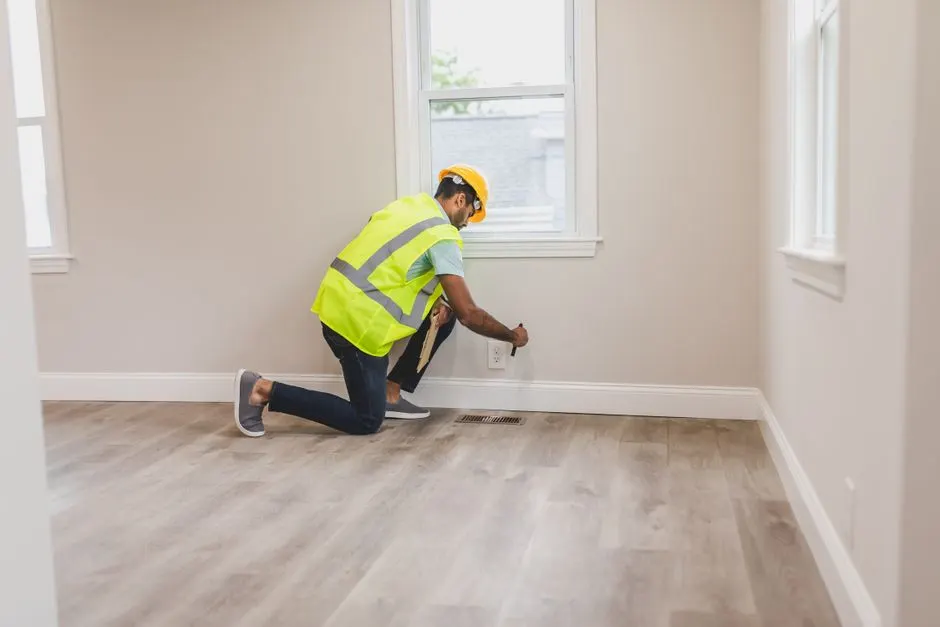 Mold InspectionA full visual and moisture walkthrough of the property. This is the entry point for anyone in Harbor City who suspects a problem but has not confirmed it yet, and it feeds directly into every other service we offer.Explore →
 Mold TestingAir and surface sampling sent to an accredited lab for genus identification and spore counts. Testing pairs with an inspection when you need documented proof for insurance, a real estate transaction, or a landlord dispute.Explore →
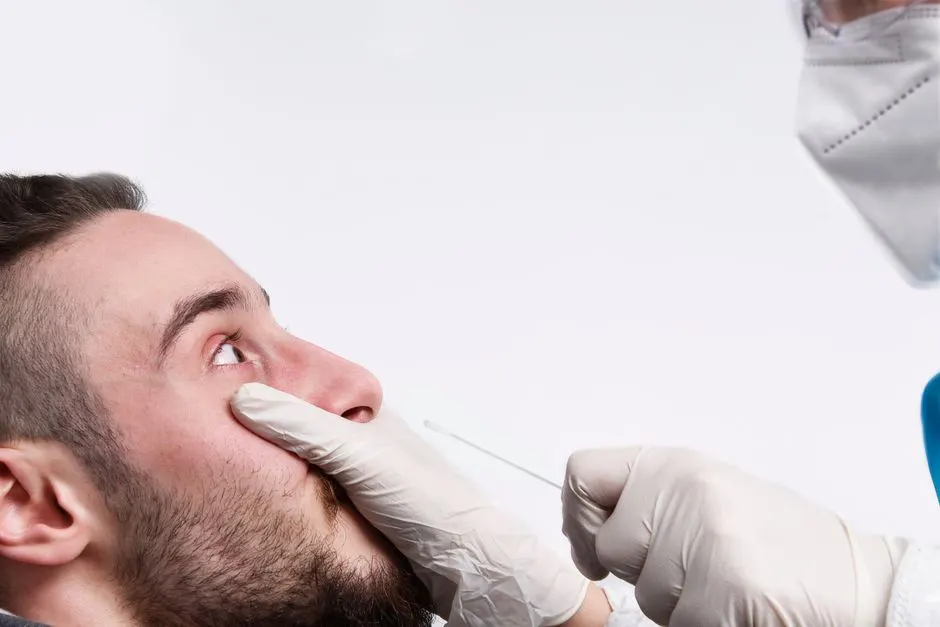 Mold Testing Near MeThe same lab-backed testing service, scheduled at your Harbor City address. Useful when you already know where the growth is and just need the paperwork to confirm what you are dealing with.Explore →
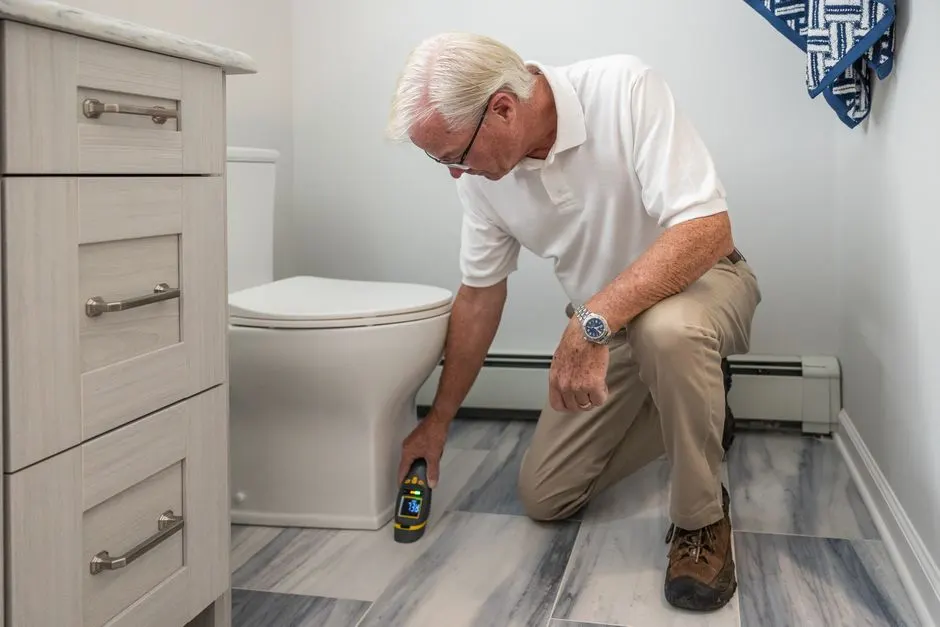 Certified Mold InspectorAn inspector holding IICRC and ACAC credentials performs the walkthrough and signs the report. Certification matters when the findings need to stand up to an adjuster, a buyer, or a code enforcement officer.Explore →
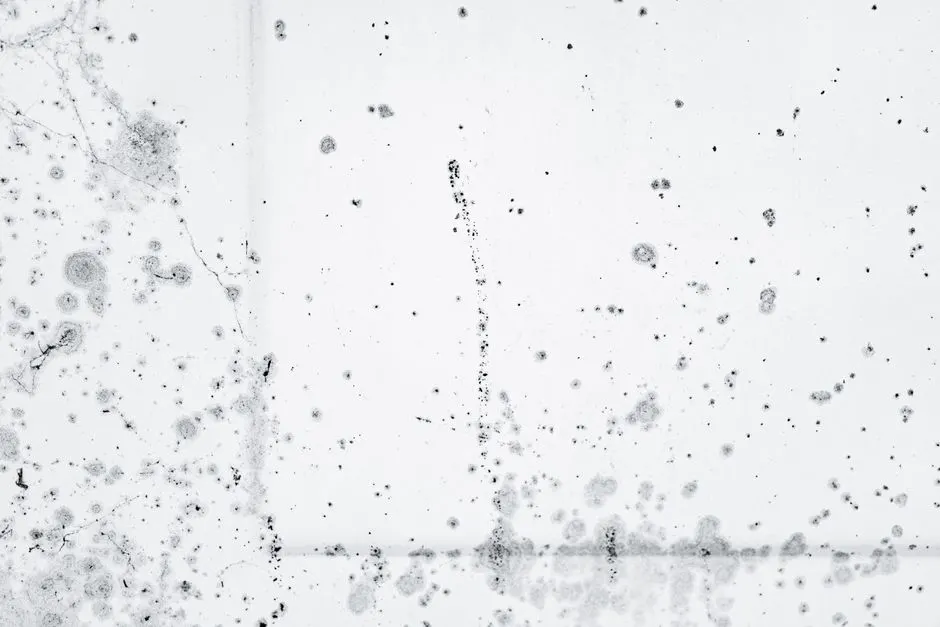 Black Mold InspectionA targeted inspection for dark staining that may be Stachybotrys or another toxigenic species. We sample rather than guess, because not every black stain is the mold people fear, and not every dangerous species is black.Explore →
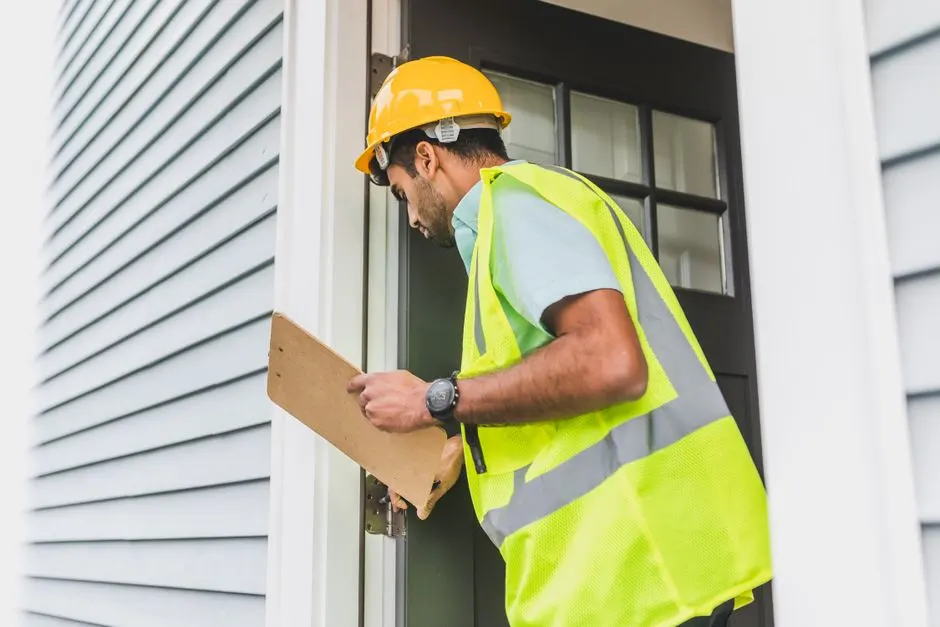 Home Mold InspectionA whole-house inspection covering attic, crawl space, bathrooms, kitchen, laundry, and HVAC. This is the standard scope for Harbor City homeowners who want a complete picture before buying or renovating.Explore →
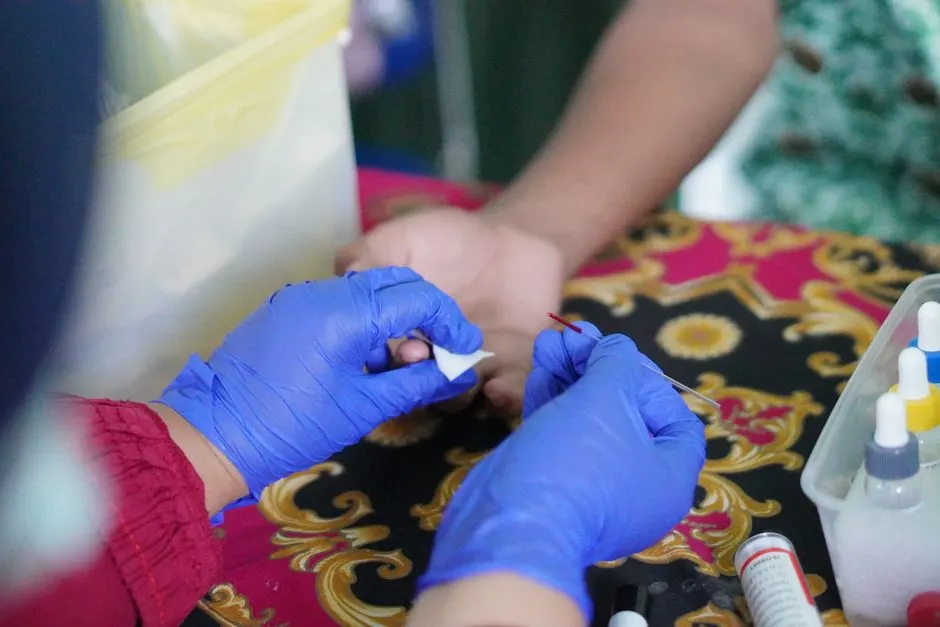 Residential Mold TestingSampling scoped to single-family homes, condos, and apartments. We adjust sample counts to square footage so you are not paying for lab work on areas that show no moisture or visible growth.Explore →
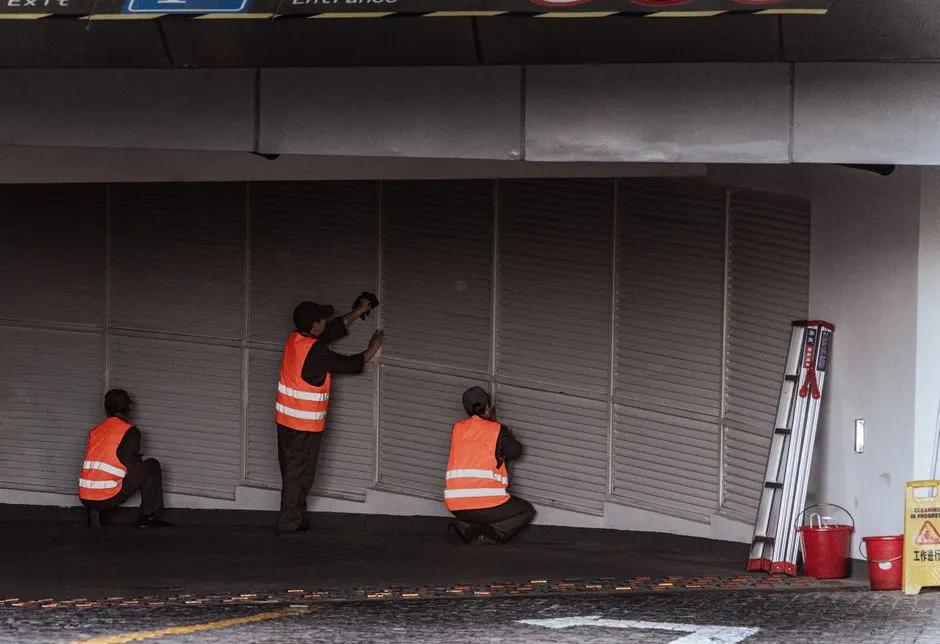 Commercial Mold InspectionInspections for retail, office, and multi-unit properties in Harbor City and the surrounding commercial corridors. Reports are formatted for property managers and include per-unit findings when needed.Explore →
Every day you wait, a small moisture problem gets bigger. Call (833) 929-5837 and we will schedule a licensed inspector for your Harbor City address, usually the same day. Written report, lab-backed results, and a clear scope for whatever comes next.
Book Inspection Now (833) 929-5837 →Call (833) 929-5837 and you will talk to someone who can actually schedule a crew, not a call center. We book same-day inspections for HARBOR CITY and the surrounding South Bay, and our emergency line stays open 24/7 for active water intrusion. Send photos to our email if you want a quick read before we arrive.