We find the moisture source, map the mold, and hand you a clear plan

Basement Mold Inspection in HARBOR CITY, California You Can Trust

A Basement Mold Inspection in HARBOR CITY, California is the fastest way to find out whether that musty smell in your downstairs is a real problem or just old concrete. We run moisture meters, thermal imaging, and air sampling across your basement or cellar, then show you exactly where water is getting in and how far the growth has spread. If you have smelled something damp since the last rain, call us.

↗
Fast online booking

Request service today

Tell us what is happening. Our local team will confirm your visit shortly.

No spam. No obligation. Just practical help.
Thanks — we'll call shortly to confirm your visit.
Professional Basement Mold Inspection in HARBOR CITY
Careful work. Honest options.
About this service

What Basement Mold Inspection in HARBOR CITY, California Covers

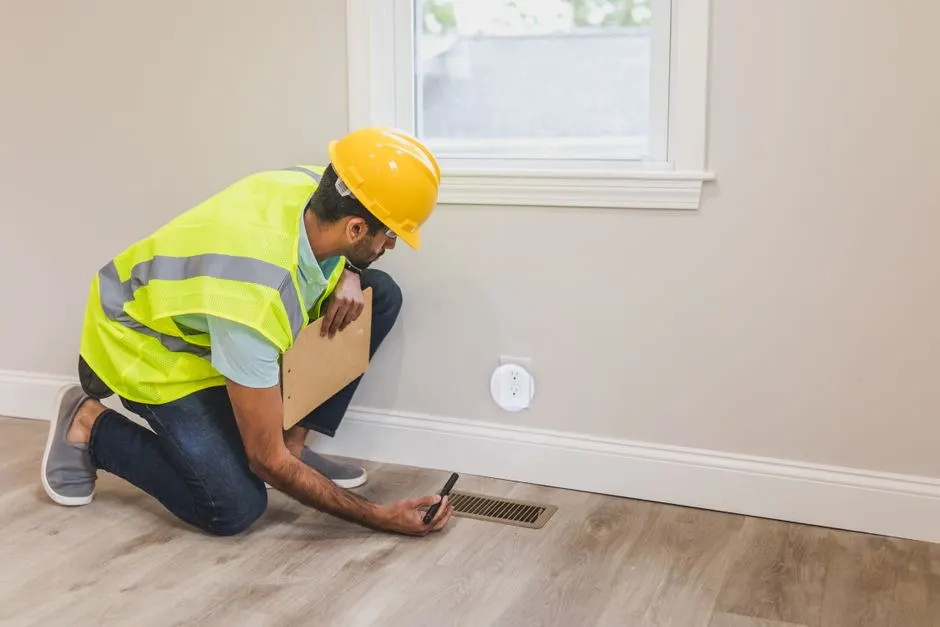
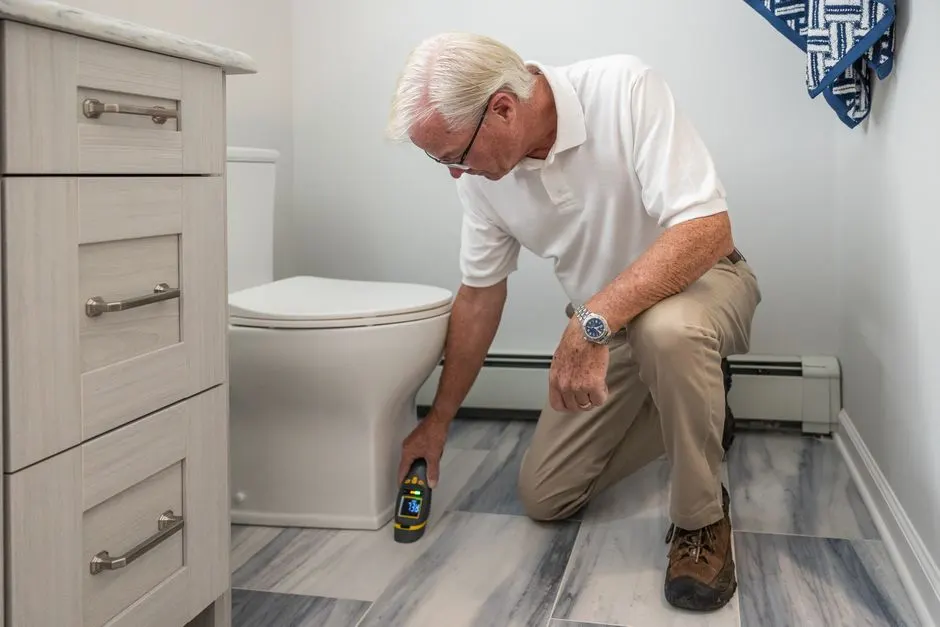
A Basement Mold Inspection in HARBOR CITY, California is a full below-grade evaluation that combines visual survey, moisture mapping, and air sampling to confirm whether mold is growing in your basement or cellar and what is feeding it. We check the foundation walls, floor slab, rim joists, insulation, and any finished drywall for elevated readings. A moisture meter tells us where the water is; a thermal imaging camera shows us what the eye misses behind paneling. We use a boroscope to look inside wall cavities without tearing anything open.

HARBOR CITY sits close enough to the coast that basement and cellar humidity stays high most of the year, and older homes near Downtown Harbor City and Pacific Harbor often have foundation cracks, failed French drains, or crawl space moisture creeping upward. That is why a cellar mold assessment HARBOR CITY California is worth doing before you spend money on paint or new flooring. If you have had water damage, a plumbing leak, or a roof leak in the last year, the basement is the first place we check.

  • ✓ Find the Water Source
  • ✓ Lab-Confirmed Results
  • ✓ Protect Your Air Quality
  • ✓ Scope Before You Spend
What's included

What Is Included in a Basement Mold Inspection

Every basement mold inspection we run includes a visual survey, moisture mapping with a meter and thermal camera, air and surface sampling, and a written report with lab results. Remediation is a separate scope, quoted after the inspection so you know exactly what you are paying for. We do not bundle cleanup into the inspection fee.

✓

Visual Survey

A full walkthrough of the basement or cellar, checking foundation walls, floor slab, rim joists, insulation, and any finished surfaces. We photograph every area of concern and note staining, efflorescence, and visible growth.

✓

Moisture Mapping

We use a moisture meter and thermal imaging camera to map elevated readings across walls and floors. This shows us where water is entering and how far the moisture plume has spread behind finished surfaces.

✓

Air and Surface Sampling

Indoor and outdoor air samples plus surface swabs from suspect areas. Samples go to an accredited lab for spore counts and genus identification. Results come back in 24 to 72 hours.

✓

Written Report with Photos

You get a documented report with photos, moisture readings, lab results, and a clear recommendation. This is the document your insurance adjuster and any remediation crew will ask for.

✓

Moisture Source Identification

We trace the water back to its source, whether that is a foundation crack, a failed sump, a plumbing leak, or high humidity from poor ventilation. Fixing the source is what stops mold from returning.

✓

Remediation Scope (If Needed)

If growth is active, we provide a room-by-room remediation scope with pricing. You can approve it, get a second opinion, or hire another crew. The inspection report stands on its own either way.

How it works

Our Basement Mold Inspection Process

01

Phone Intake

We ask about the smell, when it started, any recent water damage, and whether the basement is finished or bare. That call takes about ten minutes and tells us what equipment to bring. If you have had flooding, we prioritize you for same-day or next-morning service.

02

Visual Survey

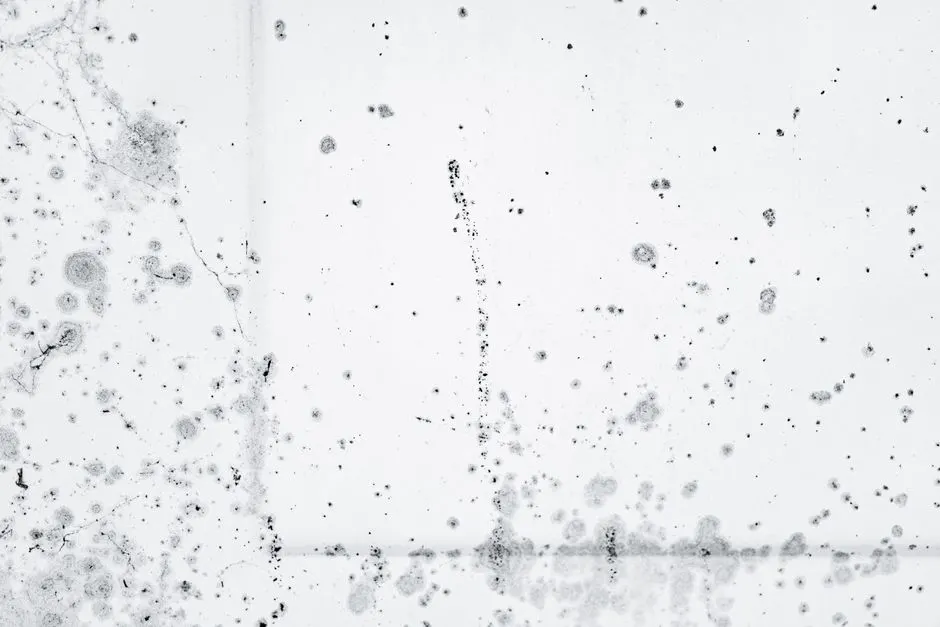
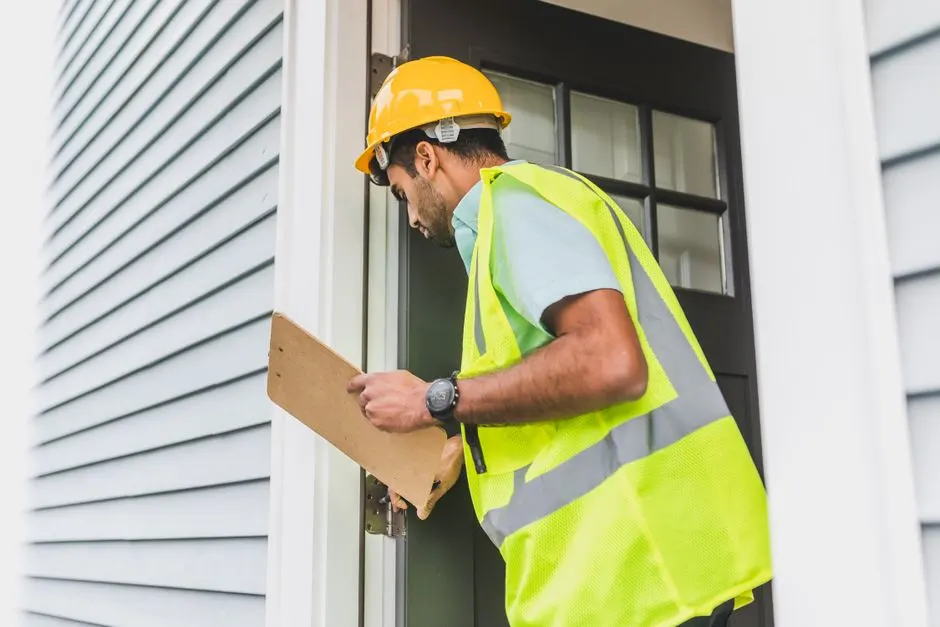
Our inspector walks the basement and cellar with a flashlight and boroscope, checking foundation walls, floor joints, rim joists, insulation, and any stored boxes or furniture. We look for staining, efflorescence, peeling paint, and the telltale dark speckling that means active growth.

03

Moisture Mapping

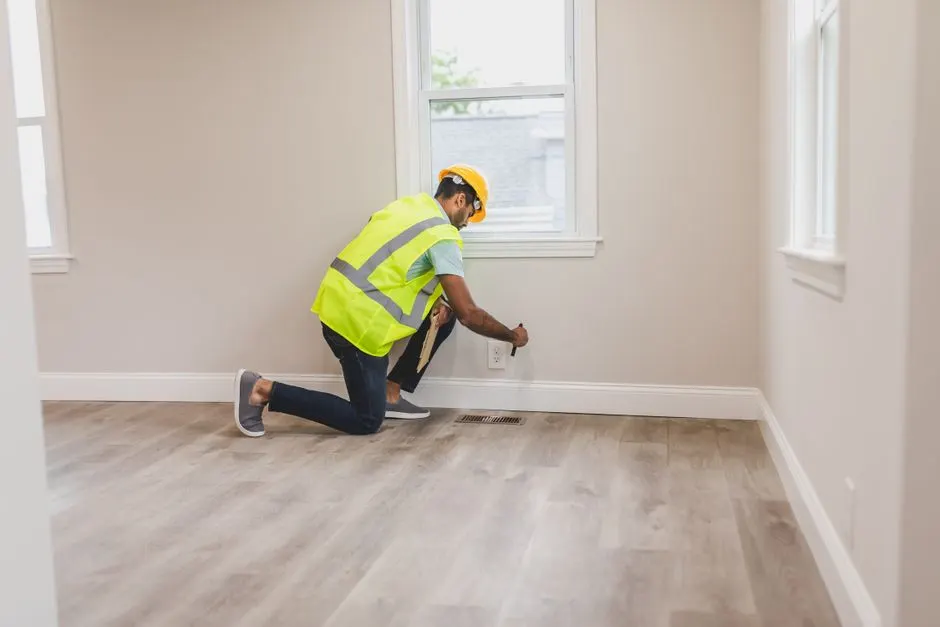
We run a moisture meter across every wall and the floor slab, then use a thermal imaging camera to spot temperature differences behind finished drywall and paneling. Elevated readings tell us where water is entering and how far the moisture plume has traveled. This step takes 30 to 45 minutes in a typical HARBOR CITY basement.

04

Air and Surface Sampling

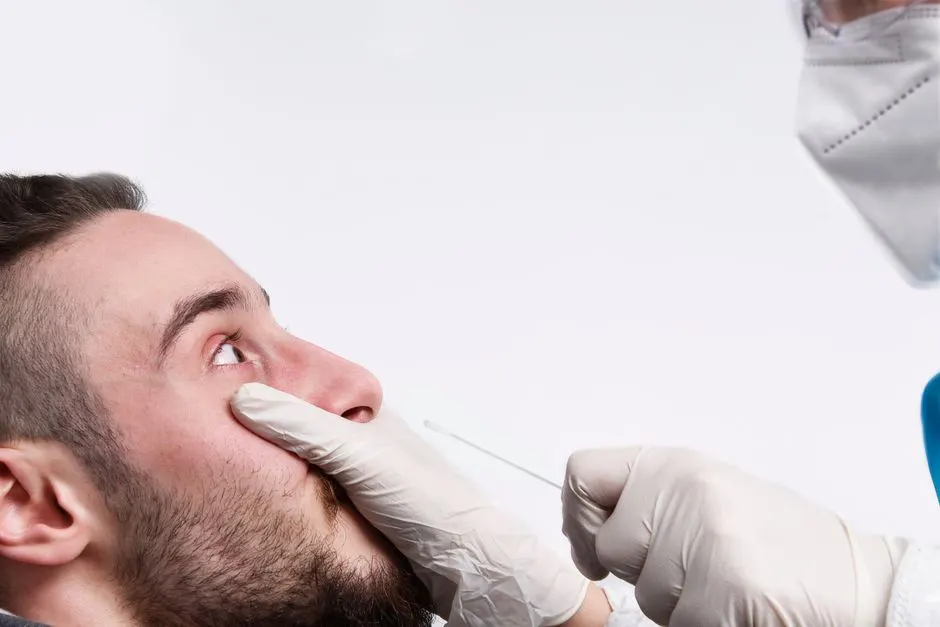
We set an air scrubber to stabilize the room, then pull indoor and outdoor air samples plus surface swabs from any suspect area. Samples go to an accredited lab, and results come back in 24 to 72 hours. We call you with the findings before the written report lands.

05

Written Report and Plan

You get a report with photos, moisture readings, lab results, and a clear recommendation: monitor, remediate, or fix the water source first. If remediation is needed, we scope it room by room so you know exactly what the job involves before anyone starts work.

Tools & methods

Tools and Methods We Use for Basement Mold Inspection

Purpose-built equipment, used by trained technicians — so the job is done accurately the first time.

Moisture Meter

Measures moisture content in drywall, wood, and concrete. We use it to map elevated readings across basement walls and floors and to confirm whether a surface is wet enough to support mold growth.

Thermal Imaging Camera

Detects temperature differences behind finished surfaces. It shows us where moisture is trapped behind paneling, drywall, or insulation without tearing anything open.

Boroscope

A slim camera we feed into wall cavities and behind baseboards. It lets us see mold growth and water staining in spaces the eye cannot reach.

Air Scrubber and HEPA Vacuum

We run an air scrubber with HEPA filters during sampling to stabilize the room. A HEPA vacuum is used to clean surfaces before and after sampling so we do not cross-contaminate.

Negative Air Machine

Creates negative pressure in a work area to keep spores from spreading to the rest of the house. Used during remediation and post-remediation verification.

Dehumidifier

We use Dri-Eaz and Phoenix dehumidifiers to pull moisture out of basement air and materials. Bringing humidity below 50% stops mold from growing and helps dry wet framing.

Fogger

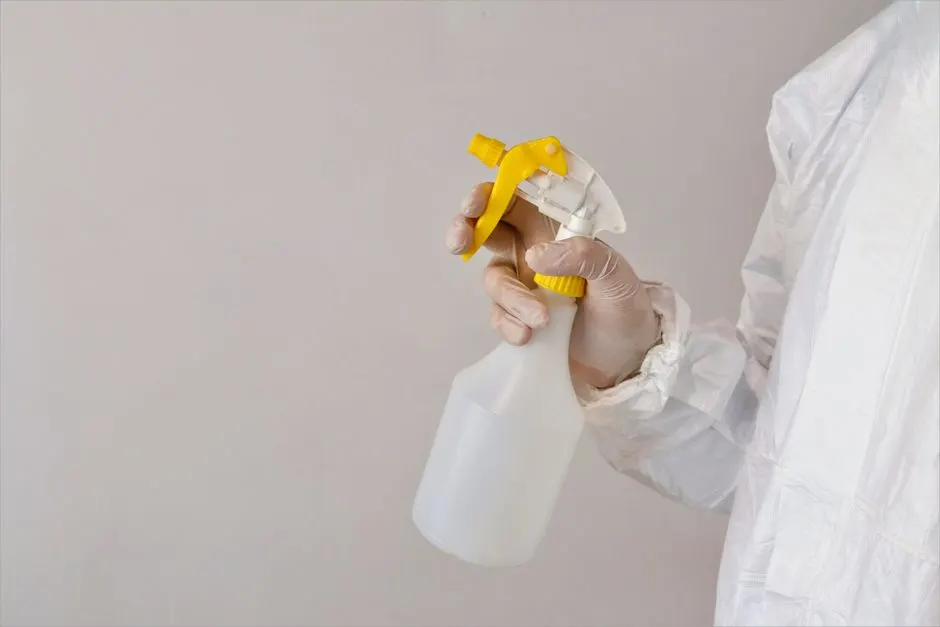
Applies a fine mist of antimicrobial solution to wall cavities, joists, and hard-to-reach surfaces. Used after physical removal to treat areas that wiping cannot reach.

Real results

Before and after.

Finished Basement in Pacific Harbor

Before

A finished basement in Pacific Harbor had a musty smell that got worse in winter. The homeowner had cleaned the visible surface mold twice, but it kept coming back. Our inspection found elevated moisture readings behind the drywall on two walls and confirmed active mold growth with air sampling.

After

We scoped remediation for the two affected walls, removed the contaminated drywall and insulation, treated the framing with antimicrobial solution, and verified with post-remediation testing. Spore counts dropped from 3,200 spores/m3 to 180 spores/m3, well below the outdoor baseline.

Bare Cellar in Harbor Gateway

Before

A 1940s bungalow in Harbor Gateway had a bare cellar with visible black staining along the base of the foundation wall. The homeowner had never had it tested and was worried about black mold. Moisture meter readings showed the wall was actively wet from groundwater seepage.

After

Lab results confirmed Cladosporium and Penicillium, not Stachybotrys. We treated the wall with Concrobium, installed a vapor barrier, and corrected the exterior drainage. Follow-up moisture readings were normal, and the musty smell was gone within two weeks.

Flooded Basement in Wilmington

Before

A Wilmington home flooded when a supply line burst while the family was away for a weekend. Standing water sat for two days before they returned. Carpet, drywall, and stored boxes were saturated, and the basement smelled strongly of mold within a week.

After

We extracted the water, removed the carpet and the bottom two feet of drywall, ran Dri-Eaz and Phoenix dehumidifiers for four days, and treated the framing with Benefect. Post-remediation air sampling showed spore counts within normal outdoor range.

Problems we solve

Basement Mold Problems We Solve in HARBOR CITY

Most basement mold calls start with a smell, a stain, or a recent water event. Here are the problems we see most often in HARBOR CITY homes and how we handle them.

Ask a pro →
01

Persistent musty odor with no visible mold

We use a thermal imaging camera and boroscope to look behind finished surfaces without demolition. Air sampling confirms whether the odor is mold-related or just damp concrete. If growth is present, we map it and scope the removal.

↗
02

Mold returning after a previous cleanup

Our inspection focuses on the water source first. We trace foundation cracks, failed sump pumps, clogged drains, and plumbing leaks. Remediation only works when the moisture problem is corrected, so we identify it before anyone starts cleaning.

↗
03

Basement flooding after storms or plumbing failures

We test flooded basements as soon as the water is extracted. Air and surface samples tell us what is growing and where. If remediation is needed, we contain the area, remove contaminated materials, and verify with post-remediation testing.

↗
04

High humidity in a finished basement

We measure humidity and temperature across the space, then recommend dehumidification and ventilation fixes. If growth has already started, we scope the removal and treat the area with antimicrobial solutions to stop it from spreading.

↗
Proof you can check

Licensed, Certified, and Verified

✓
IICRC Certified Mold RemediationInstitute of Inspection, Cleaning and Restoration Certification
✓
ACAC Certified Microbial RemediationAmerican Council for Accredited Certification
✓
EPA Lead-Safe CertificationU.S. Environmental Protection Agency
✓
NADCA CertificationNational Air Duct Cleaners Association
✓
OSHA 10Occupational Safety and Health Administration
Good questions

Frequently Asked Questions About Basement Mold Inspection

(833) 929-5837 →

Most basement mold inspections in HARBOR CITY run $250 to $600 depending on square footage, how many samples we pull, and whether the basement is finished. A bare cellar with one or two air samples sits at the low end. Finished basements with multiple rooms and wall cavities push toward the higher end. We quote the exact price on the phone before we schedule, and there is no charge for the estimate.

Coastal humidity, foundation cracks, and poor drainage are the three biggest reasons basements in HARBOR CITY keep growing mold. Relative humidity above 60% is enough to support growth on drywall, wood, and insulation. If your sump pump fails, your French drain clogs, or your downspouts dump water next to the foundation, the slab stays wet and mold returns within weeks of any cleanup.

Cellar mold in HARBOR CITY California usually traces back to one of four sources: groundwater seeping through the foundation, a slow plumbing leak behind a wall, condensation on cold pipes during summer, or crawl space moisture migrating upward. Older homes near Wilmington and Harbor Gateway also deal with failed vapor barriers under the slab. We identify the source with a moisture meter and thermal camera before recommending any cleanup.

We do. Our inspectors cover HARBOR CITY and the surrounding areas including San Pedro, Lomita, Torrance, Carson, Gardena, and Compton. Call (833) 929-5837 and we will schedule a visit, usually same day. If you have had recent flooding, tell the dispatcher and we will prioritize you for emergency service.

Ready when you are

Book Your Basement Mold Inspection in HARBOR CITY, California Today

Every inspection includes moisture mapping, air sampling, and a written lab report. We are licensed, insured, and available 24/7 for emergency calls. Call (833) 929-5837 and we will schedule your visit, usually the same day.

Schedule Inspection (833) 929-5837 →
Request an appointment

Contact Our HARBOR CITY Mold Team

Call (833) 929-5837 and you will talk to someone who can actually schedule a crew, not a call center. We book same-day inspections for HARBOR CITY and the surrounding South Bay, and our emergency line stays open 24/7 for active water intrusion. Send photos to our email if you want a quick read before we arrive.

Request received — our team will be in touch shortly.
Tap to call(833) 929-5837